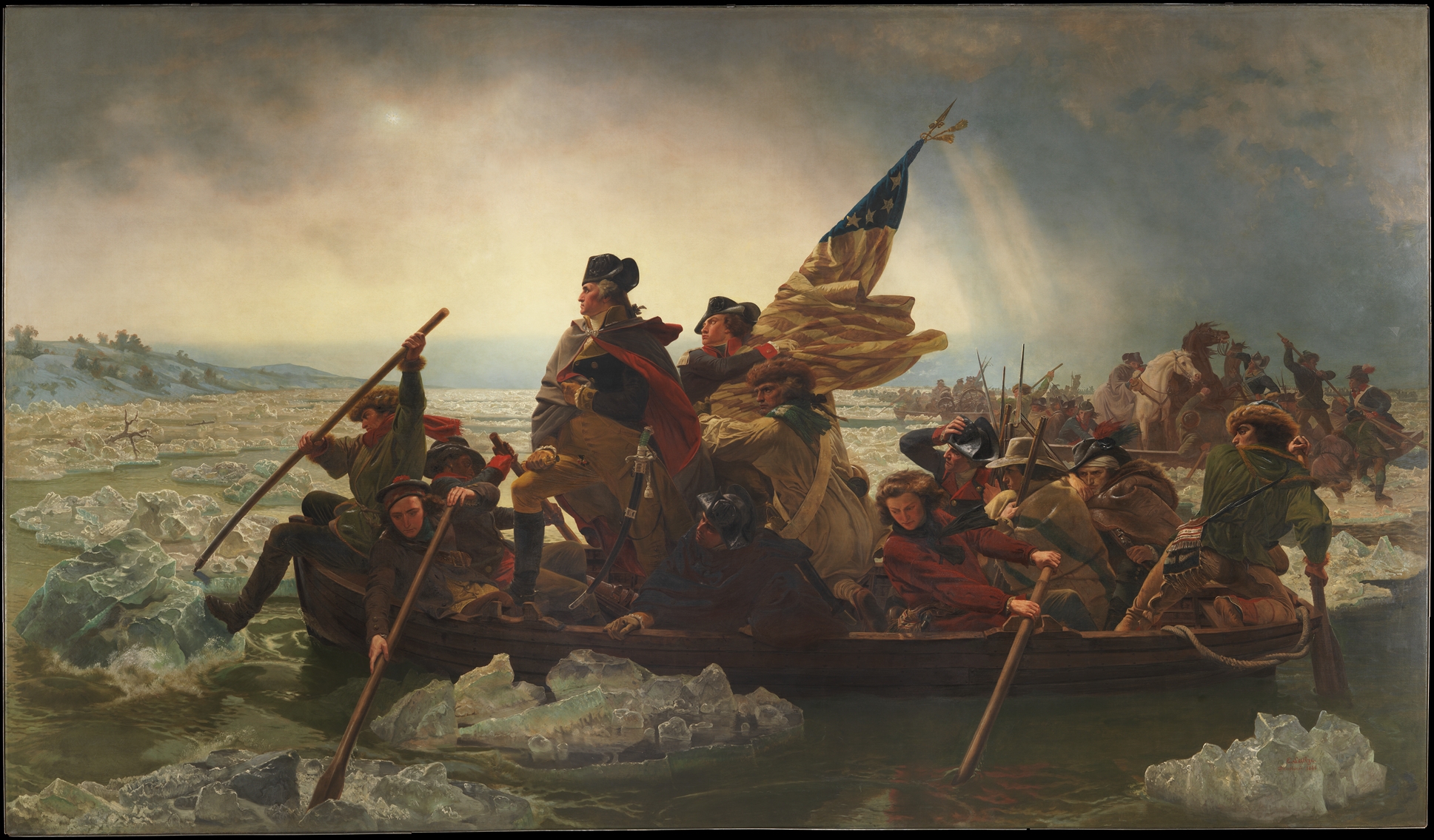
I recently turned the last page of the book ‘1776’ by David McCullough. It’s a fantastic read that I wish I had read sooner. If you haven’t read it yet, I highly recommend picking it up.
The narrative of the small, disorganized and messy Colonial Army, outgunned and outmanned, enduring a year of relentless battering, only to turn it around at Trenton and Princeton in the turn of the year, struck me as shockingly similar to the journey of early-stage startups.
In the early days of a startup, you’re always the underdog. Just like the Americans who faced the British with no boats against a formidable navy, startups begin with a limited set of resources: money, people, talent. You’re up against industry giants with vast resources, and the odds are absolutely stacked against you.
But the parallels don’t end there. Attracting top talent to your cause can also be an impossible task. You often can’t pay market salaries, and the American soldiers endured months without pay. As a result, the founding Colonial Army had a slew of deserters and drunks, and startups often see a similar pattern (I have plenty of stories!). The early days of a startup can attract a motley crew of individuals, and it’s not always easy to get the best talent on board early in the journey.
Interestingly, Washington had to hand pick Henry Knox and Nathaniel Greene as ‘raw talent’ and develop them. Neither of them had any military experience before the Revolutionary War. Sound familiar? How many founders need to hire and upskill people who are out of their depth? This is the norm, more than the exception.
The most striking parallel, however, lies in the approach to the battle. The Americans tried a traditional defense of New York City and were totally demolished. They were playing by the rules of a game designed for their adversaries. This is a trap many startups fall into. If you try to compete with incumbents on their terms, using the same features and value prop, you’re going to lose. They’re already good at what they do, and they have the resources to do it well.
The key, much like the American victory, is to change the rules of the game. You need to identify what’s missing in the current market offerings and fill that gap. You have to offer something new, something that becomes important to the buyer. This is where deep domain expertise comes into play. The best startup founders are those who understand their customers intimately and can identify gaps in their current solutions.
1776 is a story of resilience, innovation, entrepreneurship and eventually strategic thinking (after a year of complete incompetence). These are qualities that are at the heart of every successful startup.
Let’s go!
 Hi, my name is Christian.
Leave a comment